July 20, 2026
OmniScope Featured Artist Sequel:
Following our previous conversation with DI colorist Tashi Trieu on Avatar: The Way of Water, we wanted to see how his workflow has evolved on the latest installment Avatar: Fire and Ash.
Now co-founder of MOSAIC Post Production, in Los Angeles, and continuing his work with Lightstorm Entertainment, Tashi returned to Pandora with an even greater task than before: more formats, new display technologies, a highly technical grading pipeline, and a demanding schedule - all while keeping the creative consistency of one of the most visually ambitious films in cinema.
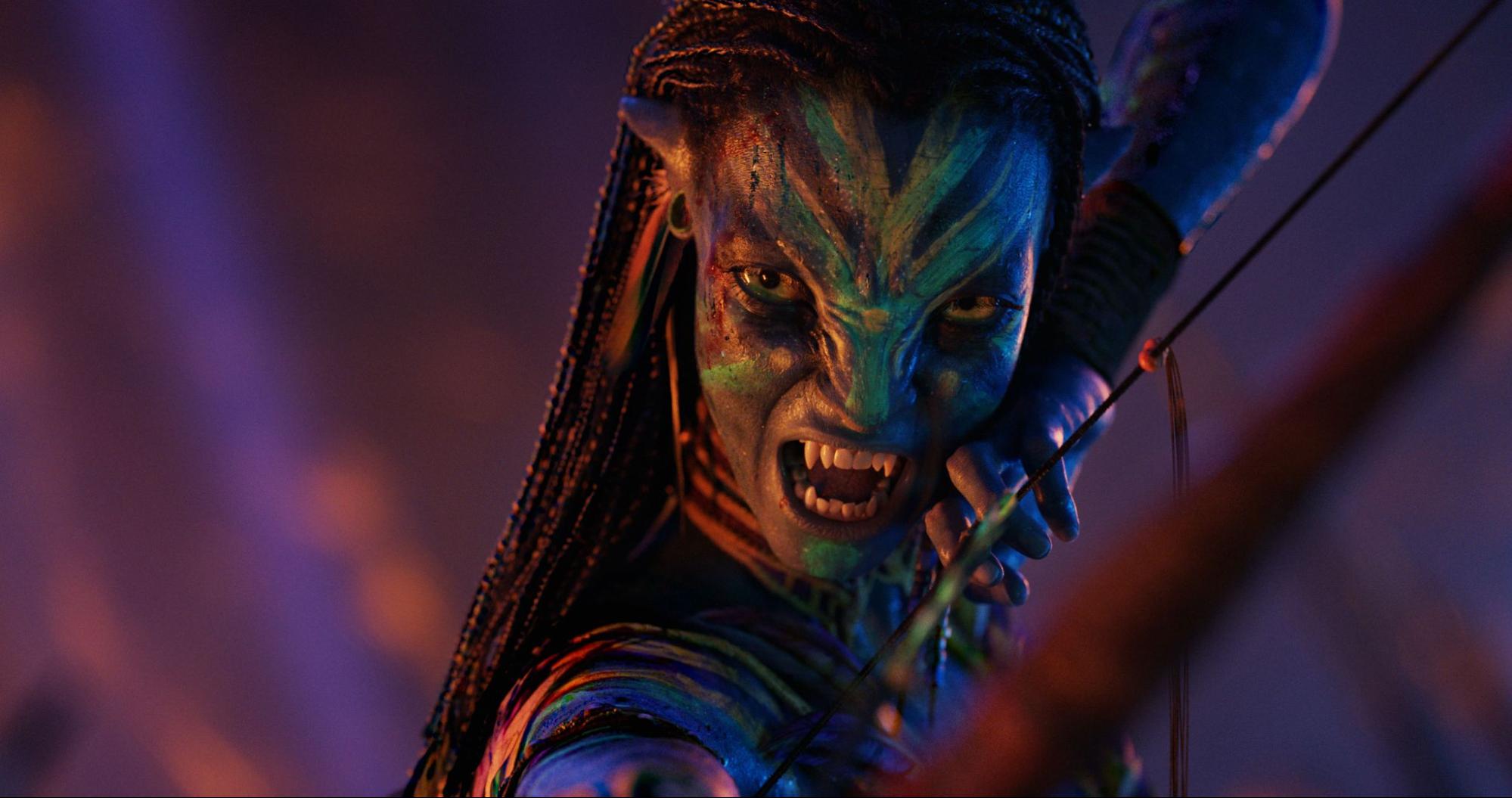
While Avatar: Fire and Ash builds on the same world and pipeline as Avatar: The Way of Water, the scale has gone a lot bigger.
This time, Tashi and the teams at Lightstorm, Park Road Post, and Disney/20th Century Studios delivered:
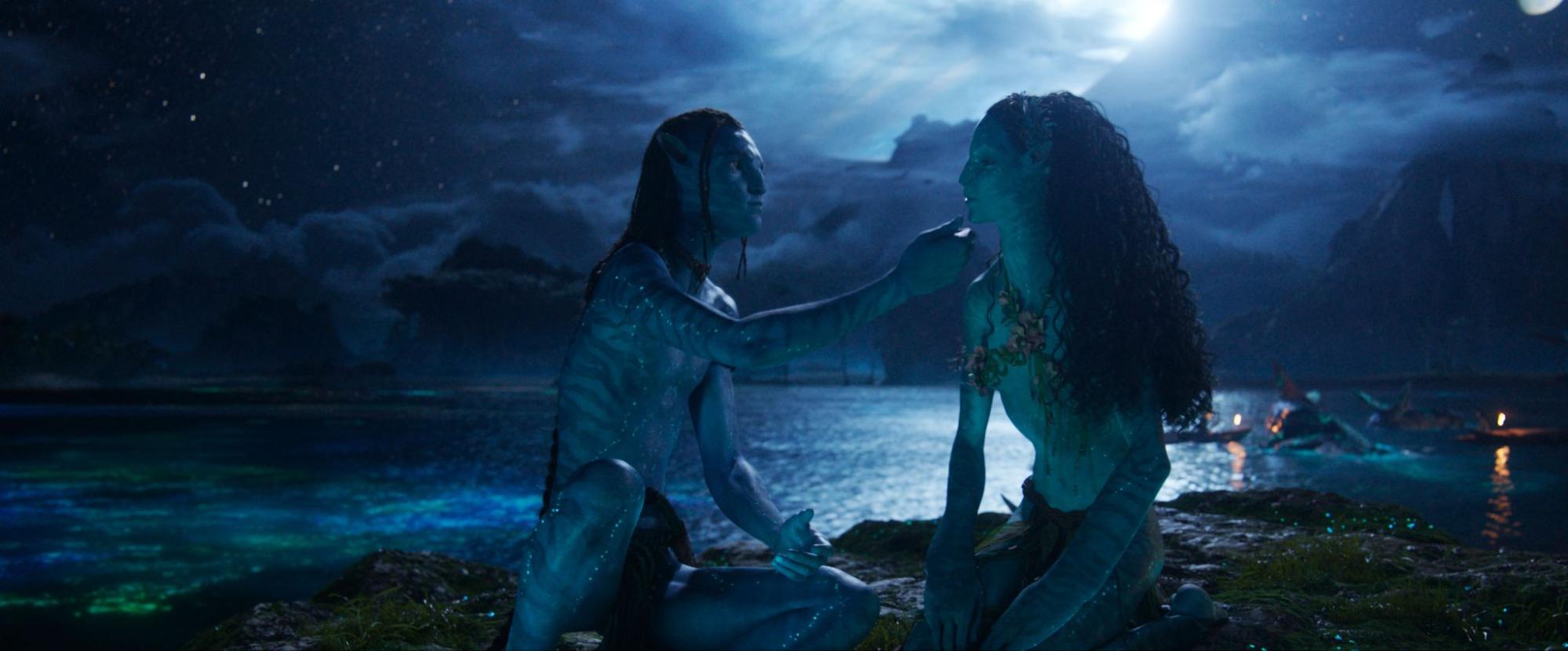
Each version required careful balancing of brightness, color, and contrast across vastly different viewing environments from traditional projection to cutting-edge LED cinema displays.
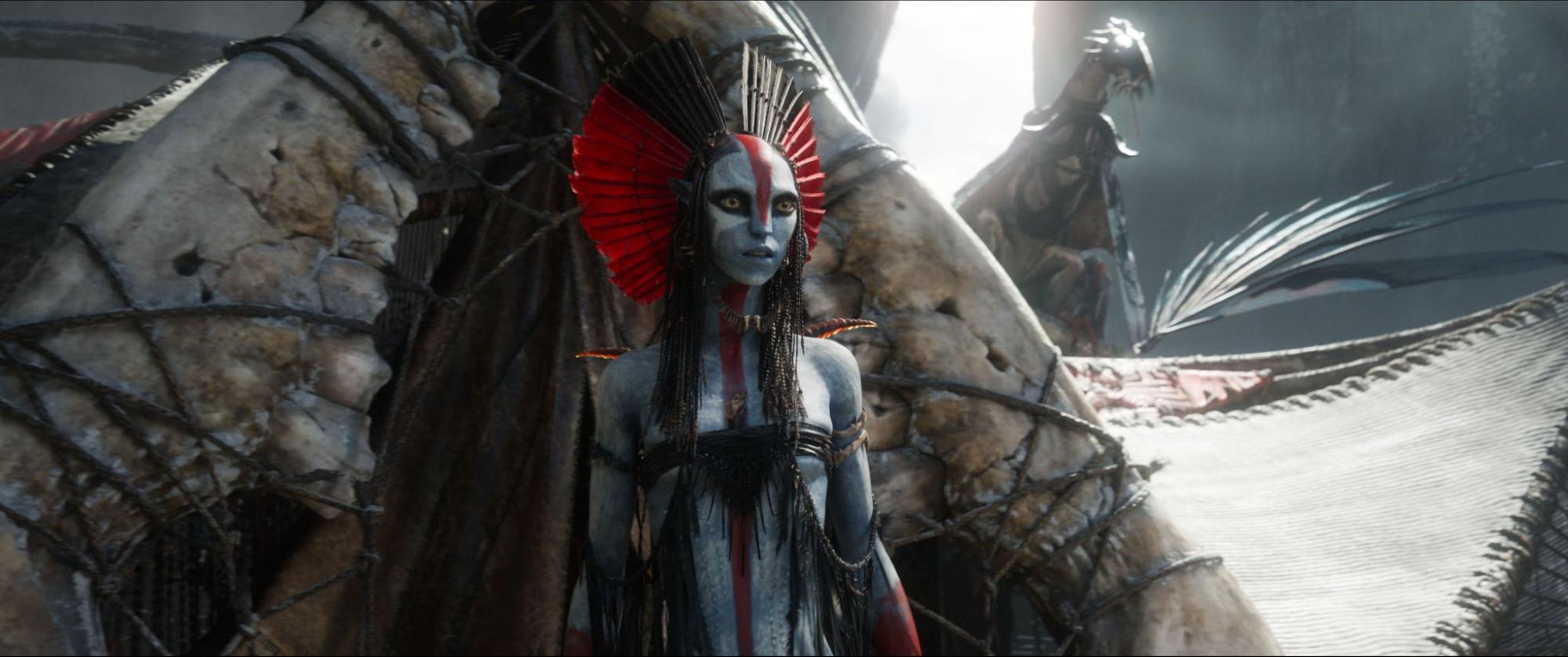
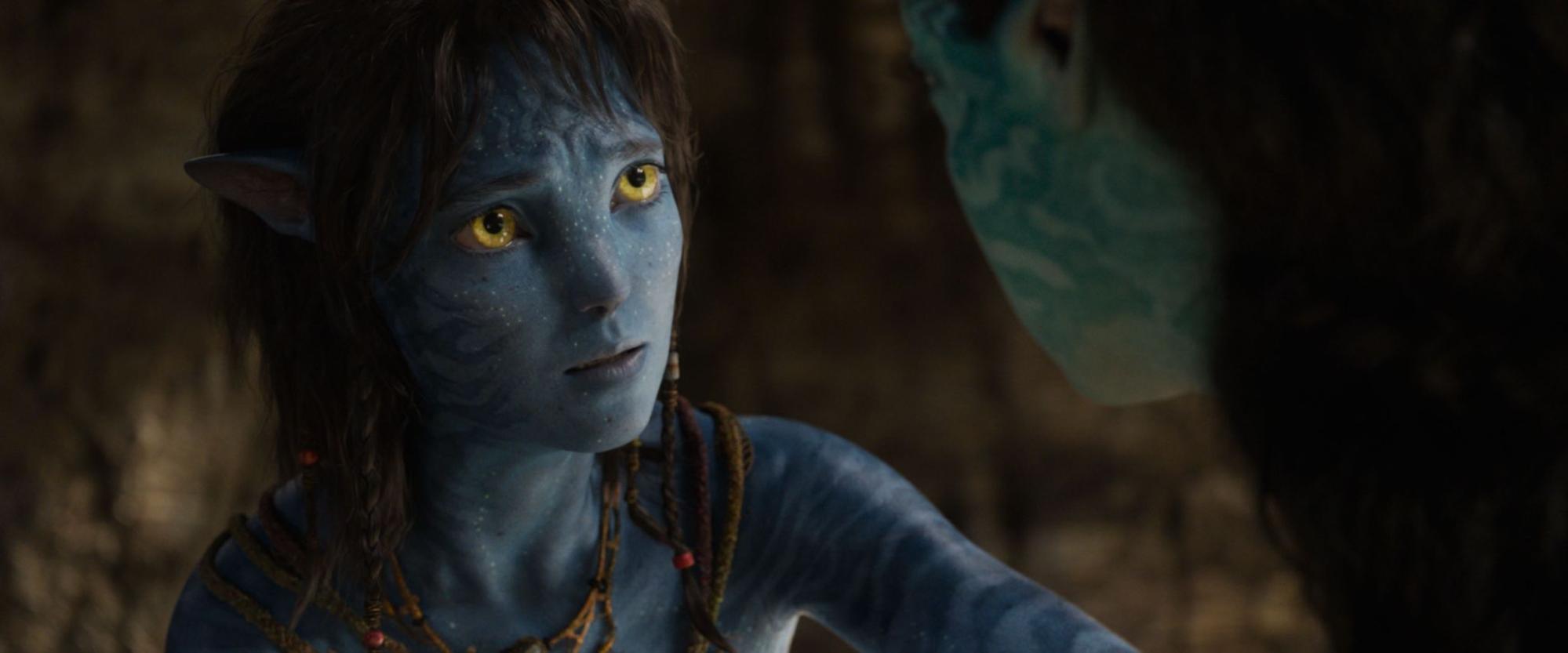
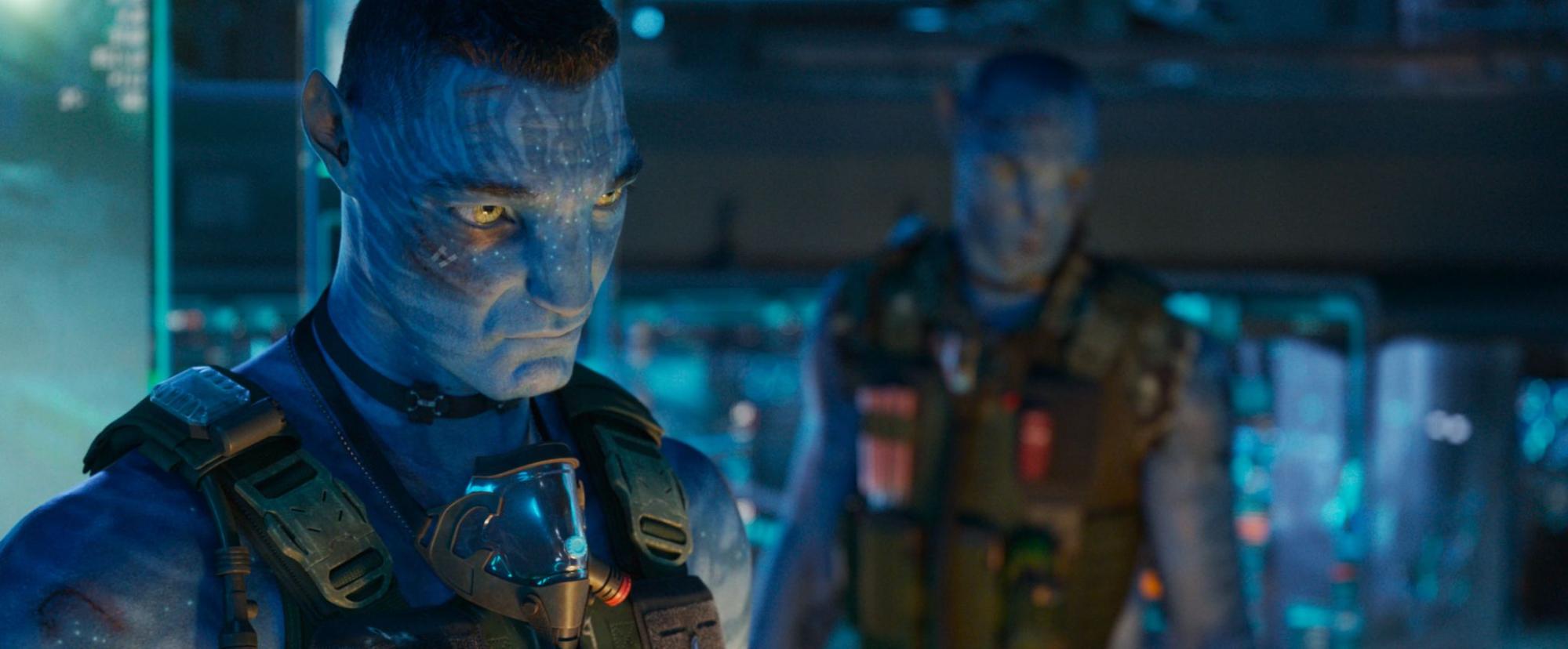
While the scene returns to familiar environments such as forests, oceans, and the world of the Na'vi - Fire and Ash introduces new visual challenges.
Maintaining consistency across these elements required careful balancing of atmosphere, depth, and color separation. Subtle grading adjustments are easily matched using high-precision and highly-configurable scopes in OmniScope.
Tashi completed Fire and Ash using DaVinci Resolve 20 with a more structured and modular approach to grading.
His node tree was carefully organized by technical corrections, primary and secondary grading, and format specific trims. This structure allowed for faster iteration across multiple deliverables while easily maintaining continuity.
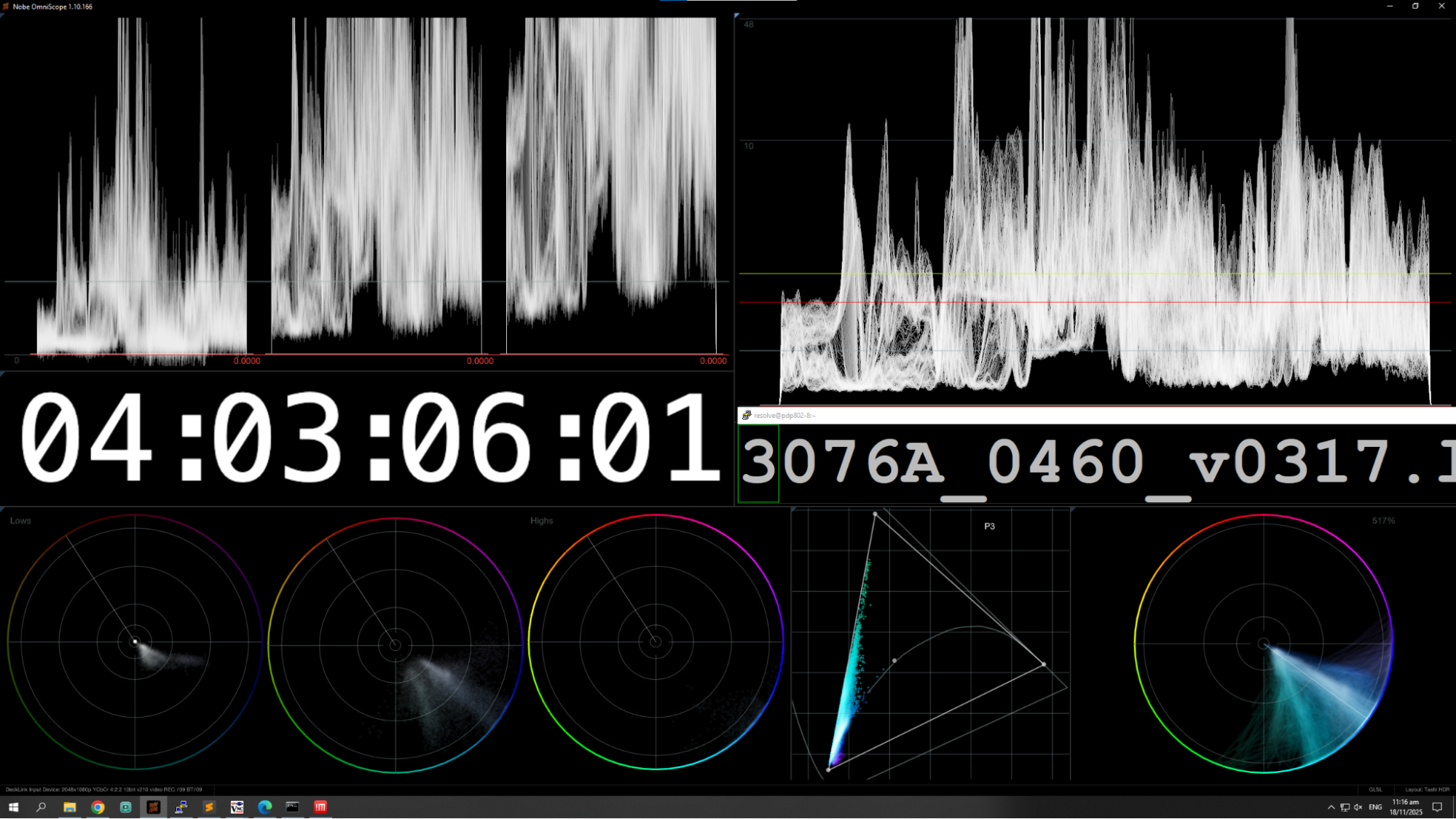
As part of his grading environment, OmniScope provided:
With deliverables reaching from SDR to HDR in Dolby Cinema, Cinity, and HDR by Barco, accurate image analysis becomes even more important.
Scopes aren't just for QC. They're part of the process of maintaining consistency across formats, evaluating subtle changes, and ensuring quality at every stage.
No two colorists or workflows are the same. Software-based scopes offer the flexibility needed in these environments - adapting to different workflows, setups, and requirements.
With tools like Nobe OmniScope, colorists can build layouts specific to their needs, whether that's isolating color ranges, analyzing HDR signals, or monitoring consistency across versions - all in real time.
From The Way of Water to Fire and Ash, Tashi Trieu's workflow reflects a broader industry evolution towards smarter tools, more efficient pipelines, and greater flexibility.
Tools like Nobe OmniScope are not just about measurement, but also about clarity.
Giving colorists the confidence to navigate complexity, maintain consistency, and stay focused on what matters most - the image.
From The Way of Water to Fire and Ash, the numbers tell part of the story: five more formats, hundreds more DCPs, new display technologies that didn't exist in the last film. But what doesn't show up in the deliverable count is the grading decisions underneath it all: keeping Pandora feeling like Pandora across every screen it plays on.
That consistency doesn't come from a single decision. It's built shot by shot, format by format, with tools precise enough to show you exactly what you have. For Tashi, that clarity isn't a convenience; on a project this size, it's what makes the work possible.


