October 27, 2025
OmniScope Featured Artist:
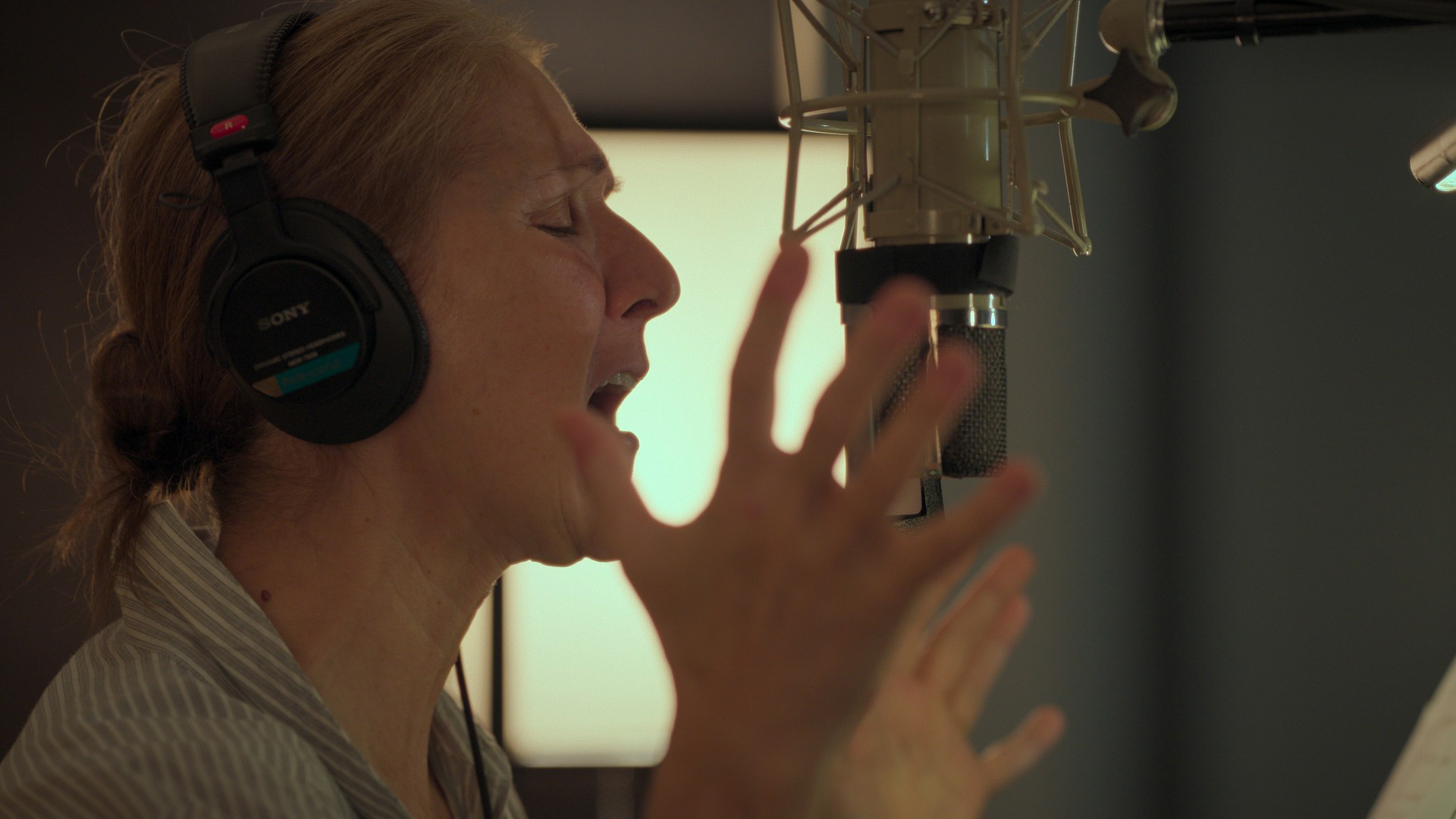
Evan Anthony is a veteran of New York's vibrant post-production community with a background spanning more than 25 years in editorial, color, and finishing. Over his career, he has seen the craft evolve from one-inch tape to non-linear editing to HDR finishing. Known for his work on acclaimed documentaries and series including Being Elmo, Messi's World Cup: The Rise of a Legend, and the award-winning I Am Celine Dion, Evan brings a deep understanding of storytelling and collaboration to every project.
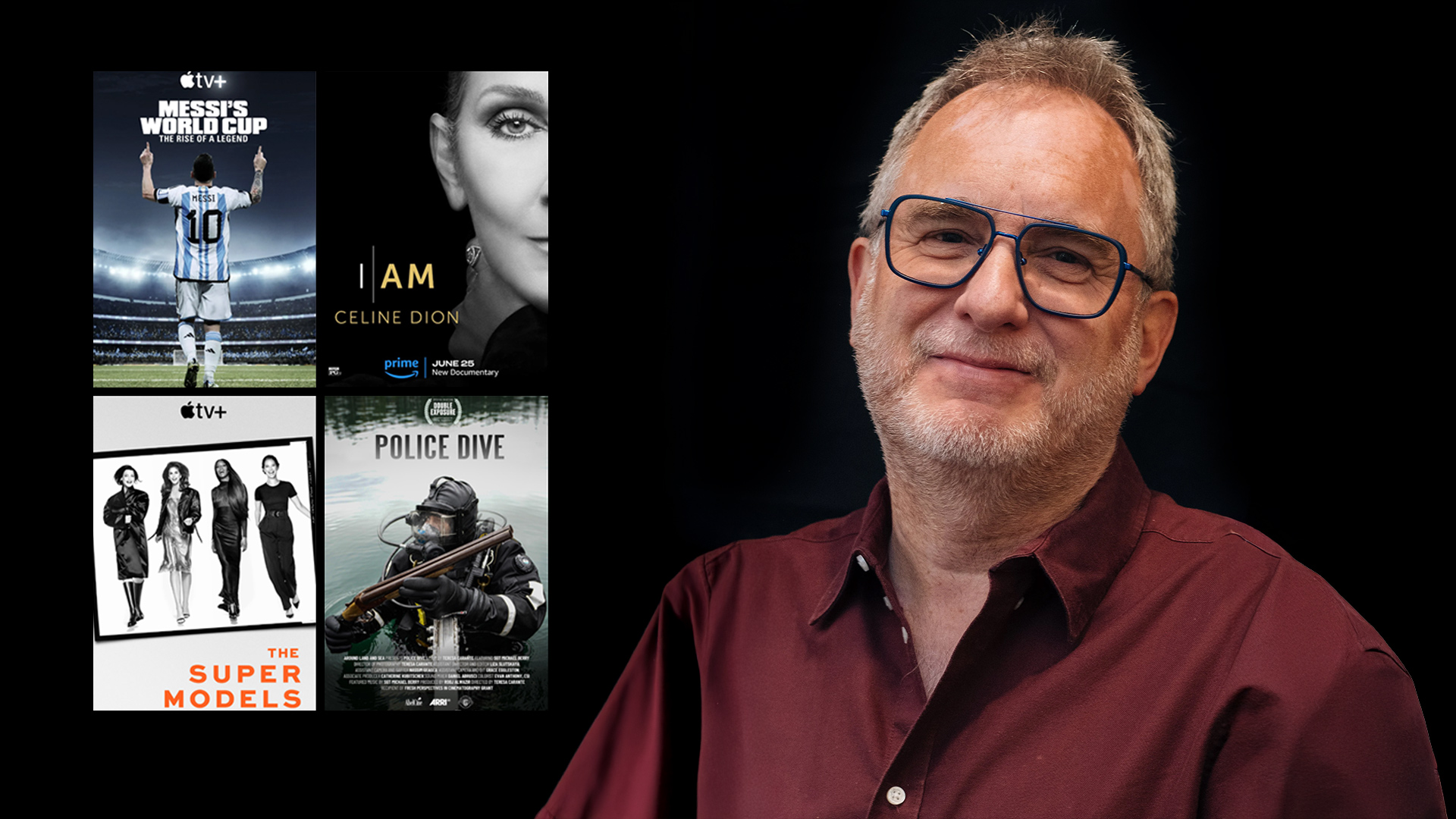
We recently caught up with Evan for a quick chat.
Hi Evan. How did you get started in the industry?
"I started as a PA for Showtime Networks back in 1990. I worked with the writers and producers in the promo department. Back then edit rooms were 1" Sony and CMX. Watching the editors and assistants got me interested in editing. After about four years there, I left to be an assistant editor at a post house and worked my way up to editor."
"I was exposed to an early version of Avid Media Composer and knew right away that this type of non-linear editing was the future. I was one of the early Avid editors, and when they came out with Symphony, I did one of the first Symphony color jobs for a network in NYC. After several years doing both editing and color, I decided to focus entirely on color correction. When Blackmagic released their version of DaVinci, I learned it, and for the past 16+ years I've been using Resolve exclusively."
What do you like about docs and non-fiction?
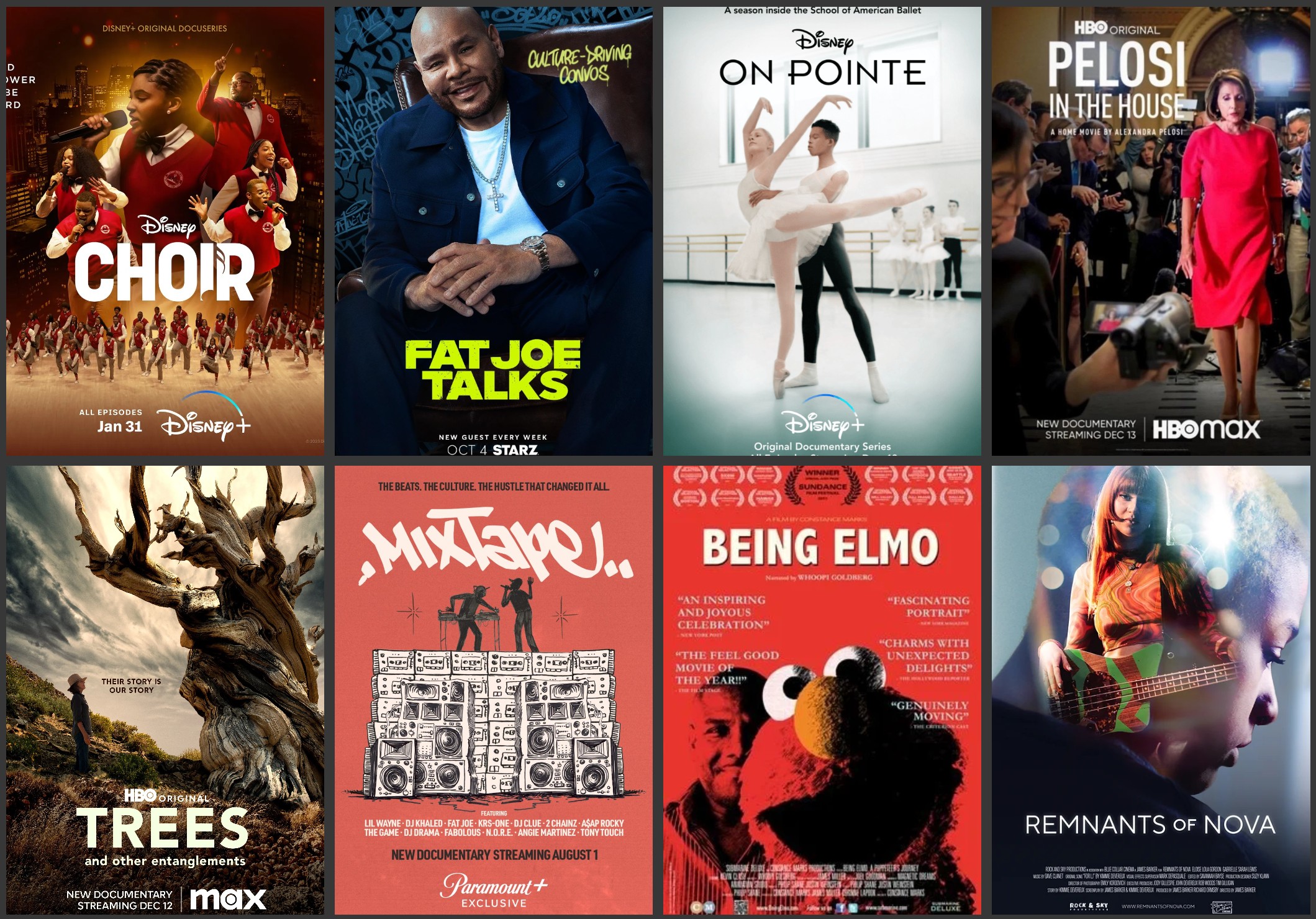
"Because my first Symphony job was a documentary, The Beatles Retrospective for ABC, I got known inside ABC and ABC News for it. They kept me very busy, and I became known as a doc/non-fiction colorist. I really enjoy the stories, and after many years of ad work and music videos it was nice to get away from that grind."
What tools are in your set-up?
"I've recently become a freelancer and have moved from a Linux system with the Resolve Advanced Panel to a Mac with a Resolve Mini Panel, and I love it. I also use a StreamDeck with my setup which works great with OmniScope. For plug-ins, I'm very happy with the direction BMD is taking Resolve. I regularly use Dehancer OFX and DCTLs by PixelTools + Kaur Hendrikson, as well as MonoNodes. I rely on Nobe OmniScope for both color and QC features.
How did you first discover OmniScope, and how does it fit into your workflow today?
I first heard about OmniScope from Robbie Carman & Joey D'Anna (DC Color & The Offset Podcast). This was during the early beta stages and I joined in. I was very impressed with the direction Tom Huczek (founder of Time in Pixels) was going and how he was really listening to our thoughts and feedback. Today, I find OmniScope very useful when I'm matching shots and sculpting images to bring out an environment. I also use it regularly for QC and delivery review.
Do you have a preferred layout or favorite feature?
I like to keep things simple. My setup includes the L/M/H Vector and a full Vector + Waveform with blanking detection on. When I'm watching down, I switch to a QC layout with the timeline and error readings I need. My go-to scope is definitely the L/M/H Vector.

